What’s Shaping Graphic Design in 2026 and How It Matters to You
As we move further into 2026, the creative landscape continues to evolve rapidly — and nowhere is that more evident than in graphic design and visual communication. Whether you’re building a brand identity, crafting marketing materials, or developing online content, understanding these shifts helps ensure your visuals not only look great but resonate with audiences and stand the test of time.
1. AI as a Creative Partner. Not a Replacement
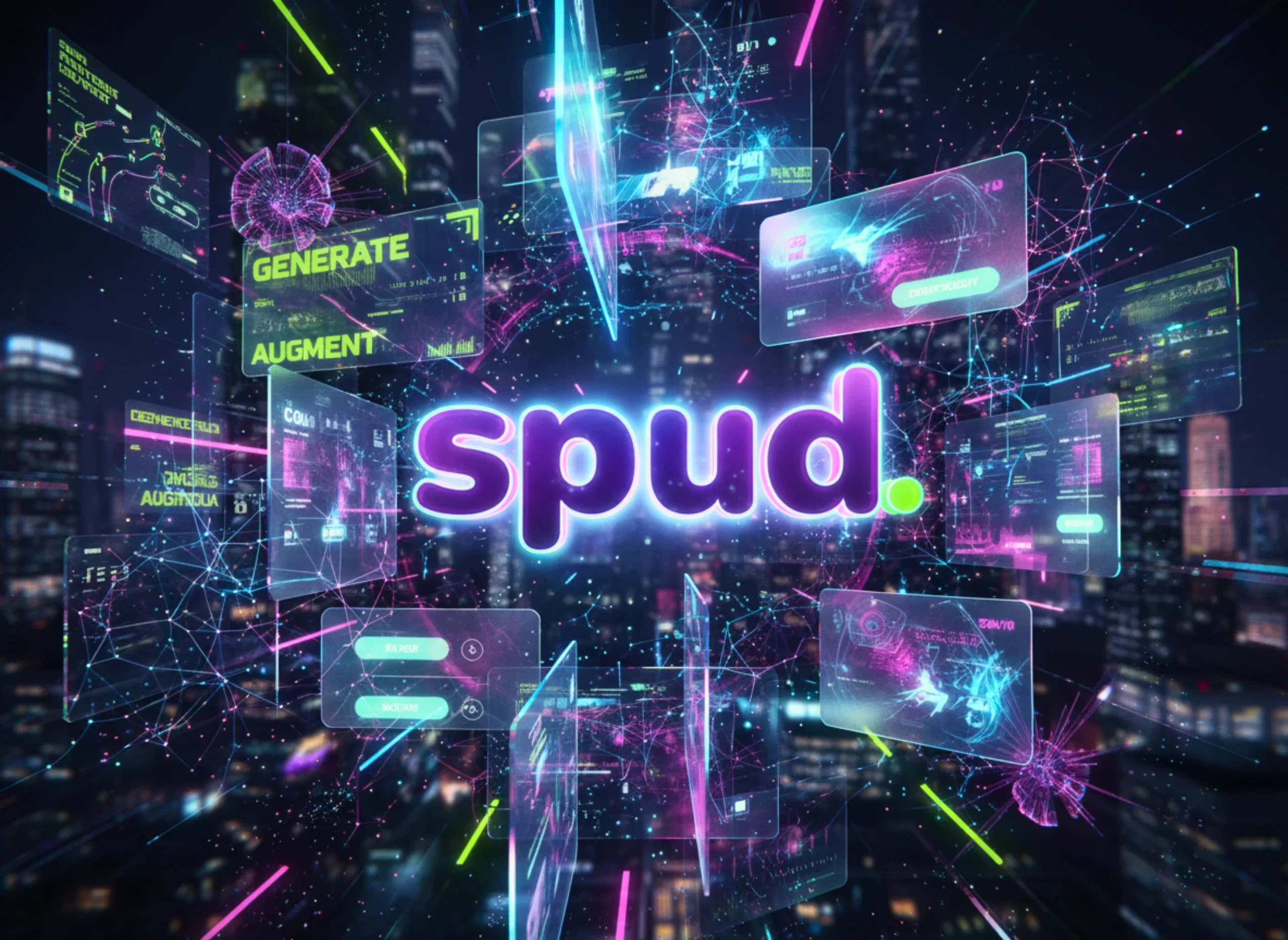
AI tools like generative models are now fully integrated into professional workflows, assisting with ideation, layout variation, texture generation, and even copy suggestions. This isn’t about designers being replaced, it’s about using AI to unlock more iterations, streamline repetitive tasks, and focus human creativity on strategy and storytelling rather than grunt work. Designers who master this synergy will be best placed to deliver both speed and originality.
Meaning for clients: Faster concept exploration and more creative options early in the design process.
2. Bold Minimalism and Expressive Typography
Minimalism isn’t going away, it’s evolving. “Bold minimalism” combines the clarity and restraint of clean layouts with oversized, impactful type and confident, purposeful use of colour. Strong hierarchy and expressive typography help messages land quickly and memorably, especially in a world where people scroll fast and attention is limited.
Meaning for clients: Simple layouts with stronger visual emphasis offer clarity and professionalism without feeling bland.
3. Motion and Interaction in Brand Visuals
Static visuals are giving way to motion storytelling. Animated logos, kinetic type, micro-animations and short loops are now strategic tools in brands’ visual toolkits, particularly for digital platforms where motion increases engagement.
Meaning for clients: A brand that moves is more memorable, especially in social feeds and online ads.
4. Human-Centred, Authentic Aesthetics
There’s a reaction to fully polished, digital-only work: designers are bringing texture, hand-drawn elements, imperfect illustrations, and organic layers back into visual work. This trend values warmth, personality and emotional connection, a counterbalance to purely algorithm-driven design.
Meaning for clients: Authentic visuals help brands connect on a human level, particularly important for audience trust and credibility.
5. Sustainability and Purpose in Design
Eco-conscious thinking is shaping not just materials (think eco paper stocks, recycled choices) but visual language too: earthy palettes, tactile textures and organic imagery signal environmental sensitivity and social responsibility. Values audiences increasingly care about.
Meaning for clients: Sustainability isn’t just messaging, it’s visual identity, especially relevant for brands with environmental or community focus.
What This Means for Your Business
Design in 2026 is less about following a single fashionable aesthetic and more about meaningful visual communication:
- Use technology (AI & motion) to accelerate creativity
- Embrace bold, purposeful visuals that communicate clearly
- Reflect authenticity and ethos in your design choices
- Think beyond static to interactive and immersive branding
As visual culture evolves, the brands that succeed will be those that combine technical fluency with emotional intelligence, marrying smart design tools with thoughtful human direction.
If you’d like help applying these trends to your brand, from social content and logos to print and web — we’d love to talk about how they can work for you.